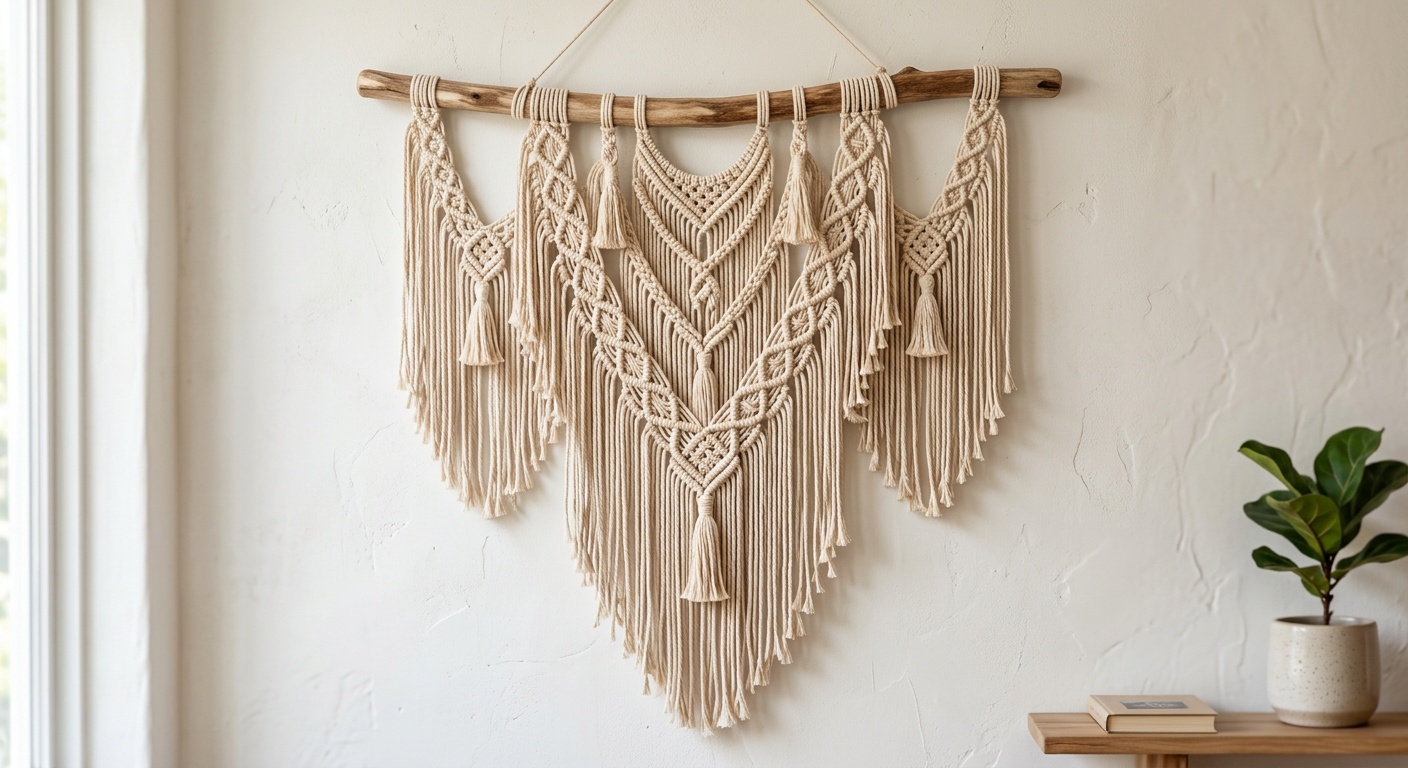
Bohemian Interior Design Ideas for Every Room in 2026
Reading time: 14 minutes
Walk into a truly bohemian home and something happens immediately — your shoulders drop, your eyes wander with delight, and you feel like you’ve stumbled into a world built entirely on joy, curiosity, and lived experience. That feeling isn’t accidental. It’s designed. And in 2026, bohemian interior design has evolved far beyond the mismatched furniture and dreamcatcher clichés of a decade ago.
Today’s boho aesthetic is smarter, more intentional, and more deeply personal than ever. It weaves together sustainability, global craftsmanship, neuroscience-backed comfort principles, and expressive individuality into spaces that don’t just look beautiful — they function beautifully. Whether you’re redesigning a studio apartment or refreshing a single room, this guide gives you practical, room-by-room strategies to bring authentic bohemian design into your home right now.
Table of Contents
- What Bohemian Design Means in 2026
- The Core Principles of Modern Boho
- Living Room: Your Bohemian Gathering Hub
- Bedroom: Sanctuary, Not Just Sleep Space
- Kitchen & Dining: Boho Meets Function
- Home Office: Creative Calm in Chaos
- Bathroom: Small Space, Big Soul
- Style Comparison: Boho vs. Similar Aesthetics
- 3 Common Boho Design Challenges (Solved)
- 2026 Design Trend Popularity Chart
- FAQs
- Your Boho Blueprint: Next Steps
What Bohemian Design Means in 2026
Bohemian design has always resisted easy definition — and that’s precisely its power. Rooted in the artistic counter-culture movements of 19th-century Europe, boho style has historically celebrated the unconventional, the well-traveled, and the creatively restless. But 2026’s version carries new weight and new wisdom.
According to a 2025 global interiors report by ELLE Decor Intelligence, searches for “bohemian interior design” increased by 34% year-over-year, with the highest engagement coming from the 28–42 age demographic — a group that’s increasingly prioritizing meaning over minimalism. Meanwhile, Houzz’s 2025 Design Trends Survey found that 61% of homeowners who undertook renovations in 2025 described “personal expression” as their primary design motivation, overtaking “resale value” for the first time in the survey’s history.
What this tells us: people aren’t decorating to impress anymore. They’re decorating to inhabit. And bohemian design, with its deeply layered, story-rich character, is perfectly positioned for that shift.
In 2026, modern bohemian design sits at the intersection of three powerful currents:
- Sustainability: Vintage, upcycled, and artisan-made pieces replace fast furniture.
- Global Craft: Textiles, ceramics, and woodwork from Morocco, Mexico, India, and Southeast Asia ground the aesthetic in real human skill.
- Biophilic Integration: Plants, natural light, earthy pigments, and organic textures connect interiors to the natural world.
The Core Principles of Modern Boho
Before we go room by room, it helps to internalize the design DNA. Think of these as your creative compass — not rules to follow rigidly, but values to express authentically.
Layering Over Matching
Traditional interior design schools teach coordination: pick a palette, stick to it, repeat motifs across the room. Bohemian design rejects this in favor of layering — the art of combining patterns, textures, eras, and origins in a way that feels curated rather than cluttered. The key distinction? Every layer should have a reason to be there, whether it’s emotional (a rug your grandmother owned), aesthetic (contrast of rough linen against smooth brass), or narrative (a hand-painted vase from your trip to Lisbon).
Warmth as a Non-Negotiable
This is where bohemian design parts ways definitively from Scandinavian minimalism or industrial cool. Warm tones — terracotta, amber, ochre, deep plum, burnt sienna — aren’t just trendy choices. Research from the Environmental Design Research Association (2024) confirms that warm-toned interiors measurably reduce cortisol levels and promote longer periods of relaxed social engagement. In other words: warmth isn’t just pretty, it’s physiologically beneficial. Your boho home should feel like a hug.
Curated Imperfection
Boho spaces celebrate the hand-made, the slightly asymmetrical, the patina of age. A perfectly smooth, machine-manufactured surface is far less interesting than a hand-thrown ceramic bowl with a slight wobble. This principle, sometimes called wabi-sabi in Japanese aesthetics, has deeply cross-cultural resonance and is central to why bohemian spaces feel human in a way that overly polished interiors never quite manage.
Plants as Architecture
In 2026’s boho aesthetic, plants aren’t accessories — they’re structural elements. Large fiddle-leaf figs anchor corners. Trailing pothos cascade from high shelves. Clustered succulents create living tablescapes. The biophilic design movement, now mainstream after years of academic advocacy, has found its most natural home in bohemian interiors.
Living Room: Your Bohemian Gathering Hub
The living room is where bohemian design makes its boldest statement. It’s the room that says, the most clearly, who lives here and what they love. Here’s how to build one that resonates.
The Layered Rug Method
One of the most transformative (and surprisingly affordable) boho techniques is layering rugs. Start with a large, neutral-toned jute or sisal rug as your base — these run roughly $80–$200 for a 8×10 size. Then layer a smaller, more patterned kilim, Persian, or Moroccan rug on top, slightly off-center. The result is immediate visual depth and warmth. Interior designer Justina Blakeney, founder of Jungalow, described this technique in her 2024 masterclass as “one of the cheapest ways to make a room feel like it has a soul.”
Quick scenario: Imagine your living room currently has beige walls and a gray sectional. Rather than repainting or replacing the sofa, introduce a deep terracotta kilim over your existing rug, throw three textured pillows in rust and indigo onto the sofa, and add a rattan floor lamp in the corner. The room’s personality shifts dramatically — for under $300.
Gallery Walls Done Right
Bohemian gallery walls differ from the crisp, frame-matched gallery walls of contemporary design. The boho version mixes frame sizes and finishes (black metal, natural wood, gilded), includes non-framed elements (macramé, woven tapestries, mounted plants), and incorporates pieces of wildly different origin — a vintage travel poster next to an abstract watercolor next to a grandchild’s crayon drawing. The arrangement should feel considered but alive, not symmetrical or static.
Furniture: The Eclectic Mix Formula
A reliable formula for boho furniture: one statement piece, two vintage or artisan pieces, one contemporary anchor. The statement piece might be a velvet chaise in jewel-toned emerald. Vintage pieces could include a rattan peacock chair and a hand-carved wooden side table. The contemporary anchor — perhaps a simple, low-profile coffee table — keeps the room from feeling chaotic. This formula prevents the space from veering into thrift-store randomness while preserving the eclecticism that defines boho.
Bedroom: Sanctuary, Not Just Sleep Space
Your bohemian bedroom should feel like the inside of a beautifully curated cocoon. Layered textiles, ambient lighting, and personal artifacts transform a utilitarian sleep space into a genuine sanctuary.
The Bed as Centerpiece
In boho bedrooms, the bed demands ceremony. Start with a linen or cotton duvet in a warm neutral — cream, warm white, or natural flax. Layer a lightweight blanket in a bold pattern (ikat, block print, or tribal geometric) across the foot. Add four to six pillows in varying textures: velvet, embroidered cotton, woven cotton. A canopy — either a simple sheer fabric draped from a ceiling hook or an actual four-poster frame — adds drama and enclosure that promotes better sleep by creating a sense of psychological safety.
Case study: Lifestyle blogger and interior stylist Ariel Kaye, founder of Parachute Home, redesigned her own bedroom in late 2024 using strictly layered textiles and ambient lighting (zero overhead lighting). She documented a measurable improvement in sleep quality scores over four weeks — anecdotally attributing it to reduced visual stimulation before bed and the cocooning effect of the layered textile environment. While individual results vary, sleep researchers at the Sleep Foundation have confirmed in 2025 that bedroom visual complexity, when warm-toned and soft-edged, tends to support relaxation more than stark, high-contrast environments.
Lighting: Goodbye Overhead, Hello Ambient
Nothing destroys bohemian bedroom ambiance faster than a single harsh overhead light. Replace it entirely, or supplement it aggressively with: a rattan or wicker pendant lamp with a warm Edison bulb, string lights draped along a wall or canopy, a Himalayan salt lamp on the bedside table (warm amber glow), and a floor lamp with a woven shade. The goal is multiple, warm, low-level light sources that can be controlled independently — creating atmosphere on demand.
Kitchen & Dining: Boho Meets Function
Kitchens present the boho designer’s greatest challenge: balancing aesthetic richness with the hard demands of a working culinary space. But this tension, handled well, produces some of the most characterful rooms in any home.
Open shelving is the boho kitchen’s best friend. Replace upper cabinets with wooden floating shelves and display your ceramics, pottery, and mismatched glassware openly. Use plants — herbs in terracotta pots, small trailing varieties — as both decor and function. A hanging pot rack in black iron or aged brass keeps cookware accessible and visually interesting.
For dining spaces, resist the perfectly matched table-and-chair set. Instead, combine a reclaimed wood dining table with chairs of varying styles — two rattan chairs at the heads, four simple wooden chairs along the sides, or a mix of upholstered and wooden seating. Add a bold runner down the center of the table, a collection of candle holders in varying heights, and a large statement pendant light in woven rattan or hammered metal above.
In 2026, the trend toward “market kitchens” — kitchens styled to evoke the sensory richness of open-air food markets — has gained significant traction in the boho community. Think hanging dried herbs and flowers, baskets of fruit and vegetables displayed as art, and a coffee station that doubles as a ritual altar with your best ceramics on full display.
Home Office: Creative Calm in Chaos
Remote and hybrid work remains the dominant professional model in 2026, with McKinsey’s 2025 Global Work Report finding that 58% of knowledge workers still operate primarily from home. This makes the home office a critical space — one where bohemian design offers a particularly compelling solution to the sterile, corporate aesthetic that most people default to.
A boho home office should stimulate creativity without triggering distraction. The key is controlled richness: plenty of visual interest, but with clear organizational logic underneath. Consider these elements:
- A desk with character: Reclaimed wood, painted vintage, or a simple wooden surface with carved legs beats any flat-pack option.
- A gallery wall behind you: If you’re on video calls, your visual background matters. A curated boho wall of art, plants, and textiles signals creativity and warmth to colleagues.
- A meditation corner: Even in a small office, a floor cushion or small meditation chair in the corner, with a candle and a plant, creates a reset space for mental breaks.
- Organized bohemian storage: Wicker baskets, rattan desk organizers, and decorative boxes keep paperwork contained without breaking the aesthetic.
Bathroom: Small Space, Big Soul
Bathrooms are often neglected in bohemian design conversations, but they offer one of the best returns on investment for transformative styling. Because they’re small, even modest changes have outsized visual impact.
In 2026, the spa-boho fusion has emerged as the dominant bathroom aesthetic — combining the wellness-focused calm of spa design with the textural richness of bohemian style. Key moves:
- Replace standard white towels with textured linen towels in earthy tones.
- Add a teak or bamboo bath mat and a wooden stool beside the tub.
- Hang a macramé wall piece — moisture-resistant options are widely available in 2026.
- Group candles, crystals, and a small plant on a marble or wooden tray near the sink or tub.
- Use a rattan mirror frame to replace the standard builder-grade mirror.
- Add a vintage-style apothecary shelf with open glass jars for cotton rounds, bath salts, and herbs.
Plants particularly thrive in bathrooms — the humidity suits species like pothos, ferns, and peace lilies beautifully. A lush hanging plant in the shower corner turns a daily routine into a ritualistic, almost forest-bathing experience.
Style Comparison: Boho vs. Similar Aesthetics
| Design Element | Bohemian | Maximalist | Scandinavian | Cottagecore |
|---|---|---|---|---|
| Color Palette | Warm earth tones, jewel accents | Bold, saturated, no limits | White, grey, muted neutrals | Pastels, floral, cream |
| Textures | Heavy layering, mixed origins | Maximized, often opulent | Minimal, clean, functional | Soft, floral, lace, linen |
| Plants | Abundant, structural role | Present but decorative | Selective, minimal | Garden-style, floral focus |
| Furniture Style | Eclectic, vintage, artisan | Statement, varied, dramatic | Functional, clean lines | Vintage, floral-upholstered |
| Budget Flexibility | High — thrives on vintage finds | Medium to high | Medium — quality essentials | Low to medium |
3 Common Boho Design Challenges (Solved)
Challenge 1: “It Looks Cluttered, Not Curated”
This is the most common boho pitfall. The solution lies in the rule of intentionality: every object must earn its place. Before adding anything to a surface or wall, ask yourself three questions: Does it add color, texture, or narrative? Does it have visual balance with its neighbors? Does removing it make the space feel emptier or just cleaner? If an item fails all three tests, it belongs in storage or donated. Curated boho is about editing with love, not accumulating without end.
Challenge 2: “I Rent and Can’t Make Permanent Changes”
Bohemian design is arguably the renter’s best friend. Almost everything that defines the aesthetic — rugs, textiles, plants, portable lighting, gallery walls on picture rails, removable wallpaper — requires zero permanent modification. In 2026, the market for renter-friendly design products has exploded: command strips rated for heavier frames, high-quality removable wallpaper in boho-appropriate patterns (available from brands like Tempaper and Chasing Paper), and freestanding architectural elements like room dividers and portable shelving.
Challenge 3: “I Don’t Know Where to Start on a Tight Budget”
Start with textiles first. They deliver the highest visual impact per dollar in bohemian design. A $45 throw blanket, a $30 set of embroidered pillow covers, and a $60 patterned rug can transform a room’s personality entirely. After textiles, plants. After plants, lighting. This sequence — textiles, plants, lighting — gives you maximum bohemian atmosphere with minimum financial commitment. Save statement furniture for when budget allows, and use vintage and secondhand markets (Facebook Marketplace, Craigslist, Vinted, and the rapidly growing Vestiaire Collective Home category in 2026) to find characterful pieces at a fraction of retail cost.
2026 Interior Design Trend Popularity (Search Interest %)
Relative Search Interest — Interior Design Styles (2026, indexed to 100)
Source: Aggregated search trend data, Google Trends & Pinterest Predicts, 2026
Frequently Asked Questions
Is bohemian interior design expensive to achieve?
Not at all — in fact, bohemian design is one of the most budget-flexible aesthetics in interior design. Because the style actively celebrates vintage, secondhand, and handmade items, you can build a genuinely compelling boho space without ever setting foot in a high-end furniture store. The key investments are textiles (rugs, throws, pillows), plants, and ambient lighting — all of which are accessible at almost every price point. Many boho designers consider thrift stores, estate sales, and international market finds more valuable sources than retail, both for budget and for the stories those pieces carry.
How do I prevent my bohemian room from looking messy?
The difference between a curated boho space and a cluttered one comes down to two things: visual anchors and negative space. Every well-styled boho room has visual anchors — large, grounding elements (a statement rug, a large plant, a substantial piece of furniture) that the eye returns to for stability. Around these anchors, the layering of smaller items feels deliberate rather than random. Equally important is leaving some negative space: not every surface, shelf, or corner needs to be filled. Give your collection room to breathe, and it reads as curated. Fill every inch, and it reads as chaotic.
Can bohemian design work in a small apartment?
Bohemian design actually scales beautifully to small spaces, and in some ways works better in them. The warmth and richness of the aesthetic turns a small apartment from a cramped limitation into an intimate cocoon. The tricks for small-space boho: use vertical space aggressively (tall shelving, hanging plants, gallery walls that draw the eye upward), choose a few bold textiles rather than many small ones, keep large furniture pieces to a minimum and select multifunctional options (an ottoman that stores blankets, a bench that doubles as a bookshelf), and use mirrors strategically to amplify natural light while adding a decorative element.
Your Boho Blueprint: Next Steps
Here’s the straight truth about bohemian interior design in 2026: it’s not a checklist of items to acquire. It’s a practice of paying attention — to what you love, what you’ve lived, and what makes your nervous system relax the moment you walk through the door. The rooms that achieve genuine boho magic aren’t the ones with the most stuff; they’re the ones with the most story.
Here’s your practical roadmap to get started this week:
- Audit one room first. Choose the room where you spend the most time. Identify what’s already working (warm pieces, plants, anything with character) and what’s deadening the space (harsh lighting, generic furniture, bare surfaces).
- Start with the textile layer. Order or source one patterned rug, two textured throw pillows, and one blanket in a warm earth tone. Live with them for two weeks before making any other changes.
- Add one plant per room. Choose based on your light conditions. A fiddle-leaf fig for bright rooms, a pothos for lower light. Place it where it can grow into a structural presence, not just sit forgotten on a windowsill.
- Rethink your lighting. Replace one overhead light with a combination of floor and table lamps using warm-toned bulbs (2700K or lower). Notice how dramatically the room’s mood shifts.
- Source one story piece. Visit a vintage market, antique store, or estate sale and find one object with a past — a hand-painted ceramic, a woven basket, a carved wooden bowl. Give it a prominent place. Let it start a conversation.
The broader implication here is significant: as digital environments grow ever more sterile and algorithmically identical, our physical spaces are becoming the last refuge of genuine human expression. Bohemian design, in its 2026 form, is more than an aesthetic movement — it’s an act of cultural resistance against the homogenization of lived experience.
So here’s the question worth sitting with: If your home disappeared tomorrow, what would the objects left behind say about who you really are? Start designing toward that answer — and let your space become the most authentic room in your life.
About the Author
