Best Interior Wall Design Ideas to Transform Your Living Space
Reading time: 12 minutes
Ever walked into a room and instantly felt something was off? Chances are, the walls had something to do with it. Walls make up roughly 60% of the visible surface area in any given room — yet they’re among the most underutilized design canvases in most homes. Whether you’re staring at a flat, builder-grade white wall or trying to rescue a dated feature wall from the early 2000s, the good news is this: transforming your living space doesn’t require a full renovation budget or an interior design degree.
In 2026, interior wall design has evolved into one of the most exciting frontiers of home improvement. From sustainable materials to digitally printed murals and smart textured panels, homeowners today have access to an extraordinary toolkit. But with so many options, where do you actually start?
This guide cuts through the noise. We’ll walk you through the best interior wall design ideas — practical, stylish, and budget-aware — so you can turn your walls from background noise into the defining statement of every room.
Table of Contents
- Why Walls Are the Most Overlooked Design Element
- Top Wall Design Trends Dominating 2026
- Best Interior Wall Design Ideas (Room by Room)
- DIY vs. Professional: Making the Right Call
- Choosing the Right Materials for Your Walls
- Wall Design Options Compared
- Popularity of Wall Design Choices in 2026
- Common Challenges and How to Overcome Them
- FAQs
- Your Wall Transformation Roadmap
Why Walls Are the Most Overlooked Design Element
Think about the last time you deliberately chose a wall treatment beyond a coat of paint. For most homeowners, walls are an afterthought — something you deal with after selecting furniture, flooring, and fixtures. But interior designers have long known that walls set the emotional temperature of a room.
According to a 2025 survey by the National Association of Home Builders, 74% of homeowners reported that updating wall treatments had a greater visual impact on their satisfaction with a room than replacing furniture. That’s a striking statistic — and it points to a massive opportunity hiding in plain sight.
Here’s the real challenge: most people default to plain paint because it feels safe and reversible. But “safe” often means “forgettable.” The walls of a room communicate texture, depth, warmth, and personality long before any piece of furniture makes its impression. If you’re not intentional about them, you’re leaving one of the most powerful design levers untouched.
“Walls aren’t just boundaries — they’re the emotional backdrop of every experience you have in a room.” — Kelly Wearstler, renowned interior designer
Top Wall Design Trends Dominating 2026
The interior design world in 2026 is defined by a push-pull between technological innovation and a deep hunger for warmth, authenticity, and natural materials. Here’s what’s leading the conversation right now:
1. Biophilic Wall Installations
Biophilic design — integrating nature into interiors — has moved from trend to mainstream expectation. In 2026, living walls (vertical gardens), moss panels, and stone-clad feature walls are appearing in everything from luxury apartments to suburban family homes. A 2025 report by Grand View Research projected the global living wall market to grow at a CAGR of 8.3% through 2030, driven largely by residential demand.
The appeal is both aesthetic and psychological. Studies from the University of Queensland confirm that exposure to natural elements indoors reduces cortisol levels by up to 15% — making your wall literally good for your health.
2. Textured and Limewash Finishes
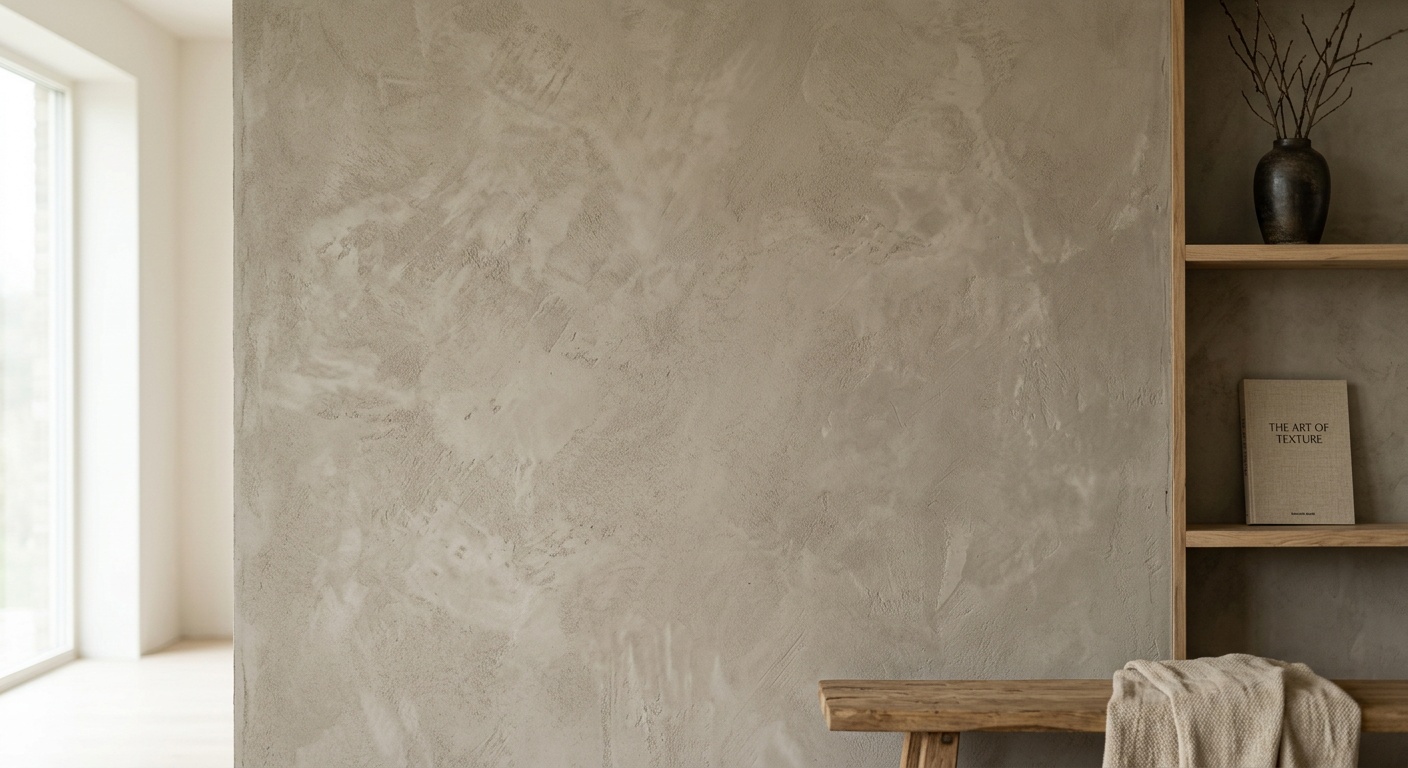
Smooth, perfectly painted walls are quietly falling out of favor. In their place: textured plaster, limewash, and Venetian plaster finishes that add depth and a handmade quality. Limewash in particular has seen a 340% increase in Pinterest searches between 2024 and early 2026, reflecting a broad consumer appetite for imperfect, artisanal aesthetics.
These finishes work beautifully in living rooms, bedrooms, and dining spaces. They’re also surprisingly durable and low-maintenance compared to wallpaper.
3. Digital and Custom Murals
Advances in large-format digital printing have made custom wall murals more accessible than ever. For a fraction of what a commissioned artist might charge, homeowners can now print high-resolution photographs, abstract art, or bespoke patterns directly onto wallpaper or panels. Companies like Photowall and Murals Wallpaper reported a 60% year-over-year growth in residential orders in 2025.
4. Smart Wall Panels
Yes, your wall can now be smart. Acoustic smart panels that double as decorative elements, LED-integrated wall systems, and even digitally programmable color-changing wall panels are gaining traction in tech-forward homes in 2026. While still a premium category, prices have dropped roughly 35% since 2023 as manufacturing scaled up.
Best Interior Wall Design Ideas (Room by Room)
Not every design idea works in every room. Context matters — the wall treatment that sings in a living room might overwhelm a bedroom or feel impractical in a kitchen. Let’s break it down intelligently.
Living Room: Making a Statement
The living room is where bold ideas earn their keep. Consider these approaches:
- Accent wall with book-matched stone veneer: Real or engineered stone panels behind a TV console or sofa create an immediate focal point. They’re warmer than bare brick and more dramatic than paint.
- Gallery wall with mixed media: Combine framed art, mirrors, woven textiles, and sculptural elements. In 2026, asymmetric gallery arrangements are replacing the rigid grid layouts of years past.
- Fluted wood panels: Vertical fluted (grooved) wood panels in oak, walnut, or painted MDF add architectural interest without competing with furniture. They’ve become the go-to choice for mid-range renovations because of their versatility.
- Bold paint color with sheen: If you’re committed to paint, go bold. Deep terracotta, forest green, cobalt blue, and warm burgundy are the dominant living room colors of 2026. Opt for eggshell or satin finishes to add subtle reflectivity.
Case Study — The Brooklyn Loft Transformation: A couple in Brooklyn renovated their 900 sq ft loft in late 2025 by installing floor-to-ceiling limewash on two walls and raw-edge oak fluted panels on the remaining two. Total material cost: approximately $2,400. The result was featured in Architectural Digest’s “Budget Transformations” feature in early 2026 — proof that impactful design doesn’t require a massive budget.
Bedroom: Intimacy and Calm
Bedroom walls should serve your nervous system as much as your aesthetic sensibilities. The best ideas here lean into softness, texture, and restrained sophistication:
- Fabric-upholstered headboard wall: Extending the headboard into a full wall panel upholstered in velvet, linen, or bouclé creates an enveloping, hotel-suite quality. This doubles as acoustic dampening — reducing noise by up to 40% according to testing by acoustic consultants.
- Tonal color drenching: Paint the walls, ceiling, and even trim in a single deep, muted tone (dusty rose, slate blue, warm taupe). Color drenching makes a room feel intentional and cocoon-like.
- Rattan or woven wall panels: Natural fiber panels bring warmth without visual heaviness. They’re lightweight, easy to install, and on-trend for 2026’s continued love affair with organic materials.
Kitchen and Dining: Practical Meets Stylish
In high-traffic areas, durability is non-negotiable. Here’s how to be both smart and stylish:
- Zellige tile backsplash extending to the ceiling: Moroccan zellige tiles — handmade with slight variations in color and surface — create a backsplash that feels artisanal and timeless. When extended ceiling-high, they become a full wall statement.
- Chalkboard or whiteboard paint zones: Particularly in family kitchens, a chalkboard accent wall near the pantry or breakfast nook is functional and fun for households with children.
- Open shelving against a contrasting wall: Paint the wall behind open shelves in a deep contrasting color — navy against white cabinetry, terracotta behind pale oak shelves. The shelves become a living display against a dramatic backdrop.
Bathroom: Spa-Inspired Statements
- Terrazzo or marble-effect large format tiles: Large-format tiles (900mm x 900mm and above) minimize grout lines and create a seamless, spa-like wall surface. Terrazzo patterns have surged in popularity in 2026 as a sophisticated alternative to plain marble.
- Microcement walls: Microcement is a seamless, waterproof coating that can be applied over existing tiles or plaster. It gives a luxury concrete look at a fraction of the cost of poured concrete and is especially popular in wet rooms.
DIY vs. Professional: Making the Right Call
Here’s the straight talk: not every wall project belongs in the DIY category, and recognizing the line between the two will save you time, money, and frustration.
DIY-Friendly Options: Peel-and-stick wallpaper, gallery walls, basic paint applications (including two-tone or color blocking), removable panel systems, and decal installations are all manageable for someone with basic home improvement skills and patience.
Professional Territory: Venetian plaster, limewash finishes (the technique matters enormously for the final look), tile installation, microcement application, structural panel systems, and anything involving electrical integration (like LED wall systems) genuinely benefit from professional expertise. The margin for error is higher, and mistakes are costly to correct.
A helpful rule of thumb: if the finish relies heavily on skilled technique rather than just materials, budget for a professional. A botched DIY limewash wall can cost more to fix than hiring out from the start.
Choosing the Right Materials for Your Walls
Material selection is where design intention meets practical reality. The wrong material in the wrong context — beautiful wallpaper in a steamy bathroom, for instance — leads to early failure and wasted investment. Here’s a practical framework for thinking about materials:
- Moisture resistance: Kitchens and bathrooms demand moisture-resistant materials. Think ceramic tile, porcelain, glass tile, microcement, and moisture-resistant paint formulations.
- Durability in high-traffic zones: Hallways, playrooms, and kitchens need scrubbable surfaces. Eggshell and satin paints, hard-wearing wallpapers, and sealed timber panels all hold up better than flat paint or delicate wallcoverings.
- Acoustic properties: Open-plan living areas, home offices, and media rooms benefit from materials with sound-absorbing qualities — fabric panels, cork, acoustic foam behind decorative covers, and thick textile wallcoverings.
- Sustainability credentials: In 2026, an increasing number of consumers are asking for low-VOC paints, FSC-certified timber, reclaimed materials, and wallpapers printed with water-based inks. According to a 2025 Houzz survey, 58% of homeowners actively sought sustainable materials in their most recent renovation.
Wall Design Options Compared
| Design Option | Average Cost (per sq m) | DIY Friendly? | Durability | Best Room |
|---|---|---|---|---|
| Limewash Paint | $8–$18 | Moderate | High (10–15 yrs) | Living Room, Bedroom |
| Fluted Wood Panels | $35–$80 | Yes (with tools) | Very High | Living Room, Hallway |
| Peel-and-Stick Wallpaper | $12–$30 | Yes | Moderate (3–5 yrs) | Bedroom, Rental Homes |
| Microcement | $60–$120 | No (professional only) | Very High | Bathroom, Kitchen |
| Zellige Tile | $90–$200 | No (professional only) | Extremely High | Kitchen, Bathroom |
Popularity of Wall Design Choices in 2026
Based on aggregated 2025–2026 data from Houzz, Pinterest, and Google Trends, here’s how homeowner interest breaks down across key wall design categories:
*Interest percentage based on search trend and survey data (2025–2026)
Common Challenges and How to Overcome Them
Challenge 1: Working with Awkward Wall Dimensions
Not every room has perfectly proportioned walls. Low ceilings, narrow hallways, alcoves, and angled attic walls can feel like obstacles — but they’re actually opportunities when approached creatively.
Solution: Use vertical elements to your advantage. Tall, narrow fluted panels or floor-to-ceiling wallpaper with a vertical pattern draws the eye upward, visually adding height. For low ceilings, avoid horizontal paneling or dado rails that cut the wall in half — they’ll make the room feel shorter. Instead, paint ceiling and walls the same color to blur the boundary and create the illusion of more vertical space.
For awkward alcoves, lean into them: install bespoke shelving with a bold backing color or wallpaper, turning the alcove into an intentional display niche rather than an architectural accident.
Challenge 2: Renting vs. Owning — Non-Permanent Wall Solutions
One of the most common design frustrations of 2026 is the tension between renters who want beautiful walls and lease agreements that prohibit permanent changes. The good news is that the market has responded.
Solution: The removable décor market has exploded. Peel-and-stick wallpaper brands like Tempaper, Chasing Paper, and Walls Need Love now offer premium-quality prints that rival traditional wallpaper aesthetics. Removable adhesive panel systems allow for faux wood or tile looks with zero surface damage. Large-format art panels and tapestries hung with damage-free hooks can transform an entire wall. And chalk-based or milk paint in renter-friendly matte finishes can often be approved by landlords as they’re easily painted over.
Pro tip: Always document your wall’s condition before and after with time-stamped photos. This protects your deposit and gives you confidence to be more creative with temporary treatments.
Challenge 3: Budget Constraints Without Sacrificing Style
The most persistent challenge for most homeowners: how do you achieve a high-impact look without a high-end budget?
Solution: The accent wall strategy remains the most cost-effective approach. Rather than treating all four walls, commit fully to one statement wall — whether that’s a bold paint color, a panel installation, or a mural — and keep the remaining walls clean and simple. This concentrates your budget where it delivers maximum visual impact.
Another underrated approach: paint finish mixing. Using the same paint color in different finishes on different walls (matte on three walls, satin or gloss on the feature wall) creates dimension and visual interest at zero extra material cost.
Case Study — The Melbourne Studio Apartment: A graphic designer in Melbourne transformed her 450 sq ft rental studio in 2025 with a $380 budget. She used peel-and-stick geometric wallpaper on one wall, gallery-hung a collection of thrifted prints on another using damage-free adhesive strips, and painted a third wall (with landlord approval) in Benjamin Moore’s “Newburyport Blue.” The result: a space that generated over 45,000 saves on her shared Pinterest board — demonstrating that constraint breeds creativity.
Frequently Asked Questions
What is the most cost-effective wall design idea for a living room in 2026?
The most cost-effective high-impact approach is a bold, full-coverage limewash or textured paint finish on a single accent wall, combined with a curated gallery arrangement on another. Limewash paint typically costs $8–$18 per square meter in materials alone, and a skilled DIY application is achievable with practice. When done well, this combination can completely redefine a living room’s character for under $300 in most cases. For those who prefer zero risk, peel-and-stick wallpaper from premium brands offers an even more accessible entry point at comparable cost.
How do I choose between wallpaper and paint for my walls?
The decision comes down to four factors: pattern preference, room conditions, commitment level, and budget. Paint offers infinite color flexibility, is easier to update, and works in high-humidity rooms with the right formulation. Wallpaper delivers pattern, texture, and depth that paint simply cannot replicate — it’s the better choice when you want visual complexity. For rooms where you anticipate design changes (like children’s bedrooms or rental properties), removable wallpaper offers a middle ground. For permanent, high-traffic spaces like living rooms and dining rooms where you have a clear long-term vision, traditional wallpaper’s superior finish and durability justify the higher cost and professional installation.
Are smart wall panels worth the investment in 2026?
For most homeowners, smart wall panels are still a premium investment best suited to specific use cases: home cinemas, entertainment rooms, home offices, and open-plan spaces with acoustic challenges. In 2026, entry-level acoustic smart panels start around $150–$200 per panel, with full LED-integrated systems running significantly higher. The value proposition is strongest when the panels serve a dual function — decorative and functional (acoustic dampening or ambient lighting control). If your primary goal is aesthetics alone, comparable visual impact can be achieved at lower cost through conventional means. However, if you’re designing a tech-forward home and plan to stay long-term, smart panels represent a genuinely meaningful quality-of-life upgrade.
Your Wall Transformation Roadmap: From Idea to Impact
Here’s the bottom line: your walls are telling a story right now — the only question is whether that story is intentional or accidental. The ideas, materials, and strategies in this guide give you the tools to take authorship of that narrative.
Here’s how to move from inspiration to action:
- Audit your current walls with fresh eyes. Walk through your home as if you’re seeing it for the first time. Note which walls feel flat, which rooms feel disconnected, and where a focal point is missing. Take photographs — the camera often reveals what familiarity obscures.
- Identify your one priority space. Rather than trying to transform every room simultaneously, choose one room that needs the most attention or where the impact will be most felt in daily life. Concentration of effort produces better results than diffusion.
- Define your constraints early. Renting or owning? Humid room or dry? High traffic or low? Budget ceiling? These parameters narrow your options productively and protect you from costly mistakes.
- Sample before committing. For paint, always test A4-sized samples on the actual wall before committing to full coverage — colors change dramatically depending on light conditions and surrounding finishes. For wallpaper and panels, order samples and live with them for 48 hours.
- Execute boldly and trust your vision. The most common regret in interior design isn’t going too bold — it’s playing it too safe. If the research, sampling, and planning support your choice, commit fully.
In a broader context, interior wall design is increasingly being recognized as a key driver of mental well-being, productivity, and even social connection at home. As hybrid work continues to shape how we inhabit our living spaces in 2026 and beyond, the walls around us matter more — not less — to how we feel, think, and live.
So here’s a question worth sitting with: If your walls could speak, what would they say about how you want to live? The answer might be the most important design decision you make this year. Your walls are waiting — and now you know exactly what to do with them.
About the Author
